If you’re reading this, chances are you’ve had a panic attack, or you’re afraid of having another one. Maybe you haven’t mentioned it to anyone yet. That’s okay. You’re here, and that counts for something.
The most important thing first: what you felt was real, it wasn’t your fault, and it can get better. Once you know the panic attack symptoms, understand the panic attack causes, and have a few ideas on how to stop a panic attack as it begins, the fear usually starts to loosen. With the right panic attack treatment, most people stop dreading the next episode and return to their normal routine.
What Panic Attack Symptoms Actually Feel Like
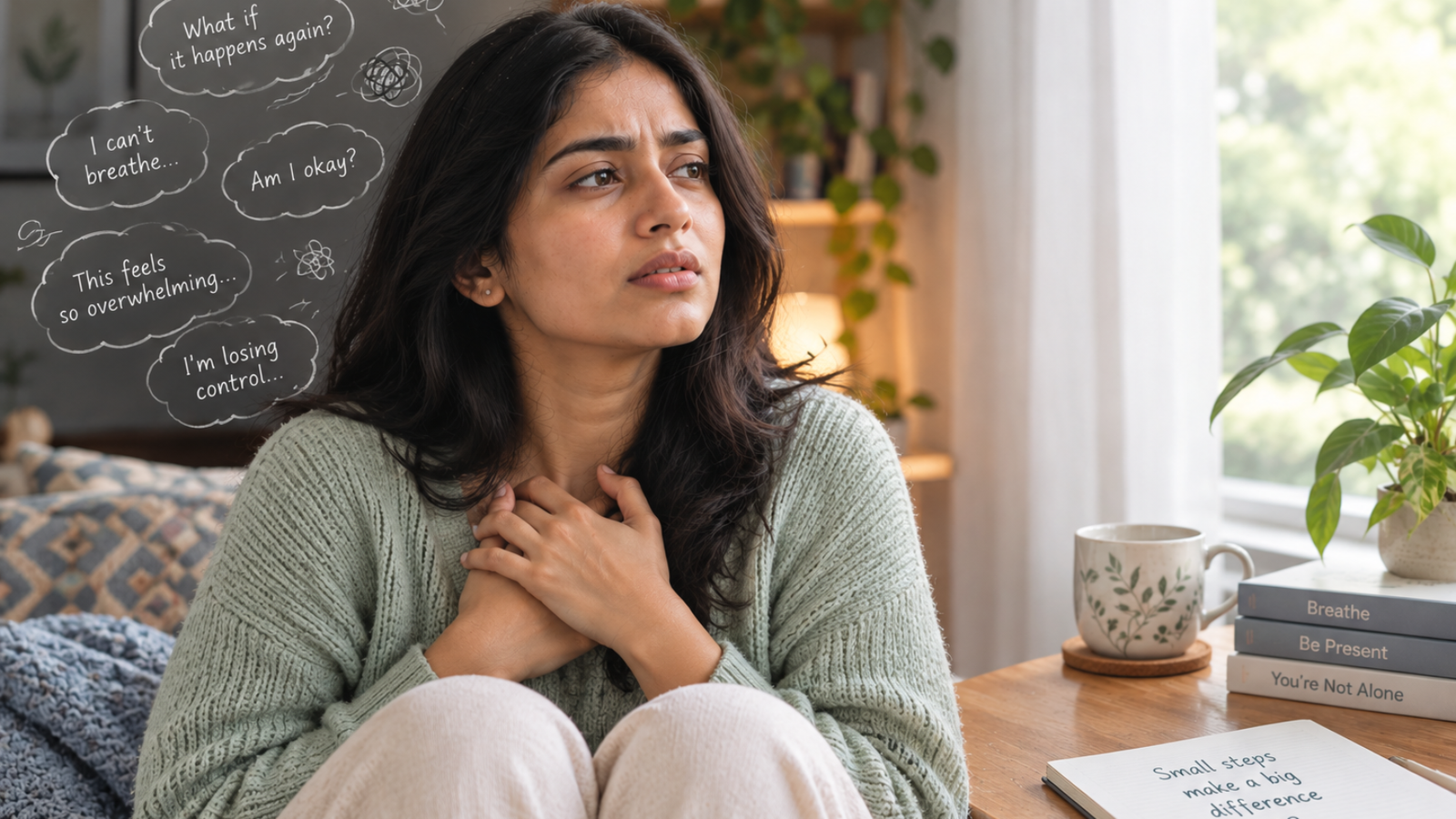
A panic attack is a sudden wave of intense fear. It usually peaks within about ten minutes, though you may feel shaky for a while. Every person describes it a little differently, but the common panic attack symptoms are:
- A pounding or racing heart
- Tight chest and trouble breathing
- Sweating, shaking, or chills
- Dizziness, tingling, or numb fingers
- Nausea or a churning stomach
- A strange, unreal feeling, as if you’re watching yourself from outside
- A sense that you’re about to lose control or die
Because these panic attack symptoms overlap with heart and thyroid problems, get a basic medical check-up at least once. Ruling those out brings real peace of mind.
Why Does It Happen? Understanding Panic Attack Causes
Most people ask, “But why me? Nothing bad was even happening.” That’s a fair question, and the answer is rarely a single thing. Panic attack causes usually pile up quietly over time:
- Family history. Anxiety often runs in families.
- Long-term stress. Deadlines, EMIs, family pressure, and poor rest keep your body on high alert.
- Big life changes or old trauma. A loss, a move, or a breakup can stir things up.
- Habits. Too much coffee, late nights, alcohol, or smoking.
- Health conditions. Thyroid issues and some medicines can mimic or trigger panic.
Think of a smoke alarm that goes off when you burn toast. Nothing is on fire, but the alarm is set too sensitively. Knowing the panic attack causes in your own life lets you understand your body instead of blaming yourself.
The Trap Most People Fall Into
Here’s the part nobody tells you. When panic hits, almost everyone fights it. Stop. Calm down. Please stop. But the harder you push against the feeling, the more your brain decides the danger is real, and the alarm gets louder.
Then a second problem sneaks in: fear of the fear. You avoid the metro, skip your workout because a fast heartbeat feels risky, or keep checking your pulse. It feels like protection, but it quietly keeps the anxiety going. This is exactly how a few panic attacks turn into panic disorder.
How to Stop a Panic Attack in the Moment
There’s no magic switch, but these steps help. Try them when you’re calm too, so they feel familiar when you need them.
First, name it. Tell yourself, “This is a panic attack. It’s awful, but it’s not harmful, and it will pass.” Just saying so takes some of the sting out.
Next, slow your breath. Breathe in through your nose for four counts, then out through your mouth for six. The longer exhale tells your body it’s safe to settle down. Don’t gulp air, because that makes dizziness worse.
Then ground yourself. Look around and find five things you can see, four you can touch, three you can hear, two you can smell, and one you can taste. It pulls your attention back to the room.
Let the wave pass. Imagine it rising, peaking, and falling. You don’t need to win. You just need to wait it out.
Loosen your body. Clench your fists for a few seconds, then release. Drop your shoulders and unclench your jaw.
Be kind to yourself. Talk to yourself the way you’d talk to a scared friend: “I’m okay. I’ve been through this before.”
That’s how to stop a panic attack when it’s happening. But think of it as first aid. It helps in the moment, and real, lasting change needs proper panic attack treatment.
Small Habits That Make a Big Difference
You don’t need a life overhaul. Cut back on caffeine and energy drinks, keep a steady sleep routine, and walk or stretch most days. Practise slow breathing for five minutes daily, not only during an attack, and take breaks from doom-scrolling. These won’t replace therapy, but they keep your nervous system calmer.
When to Look for Panic Attack Treatment
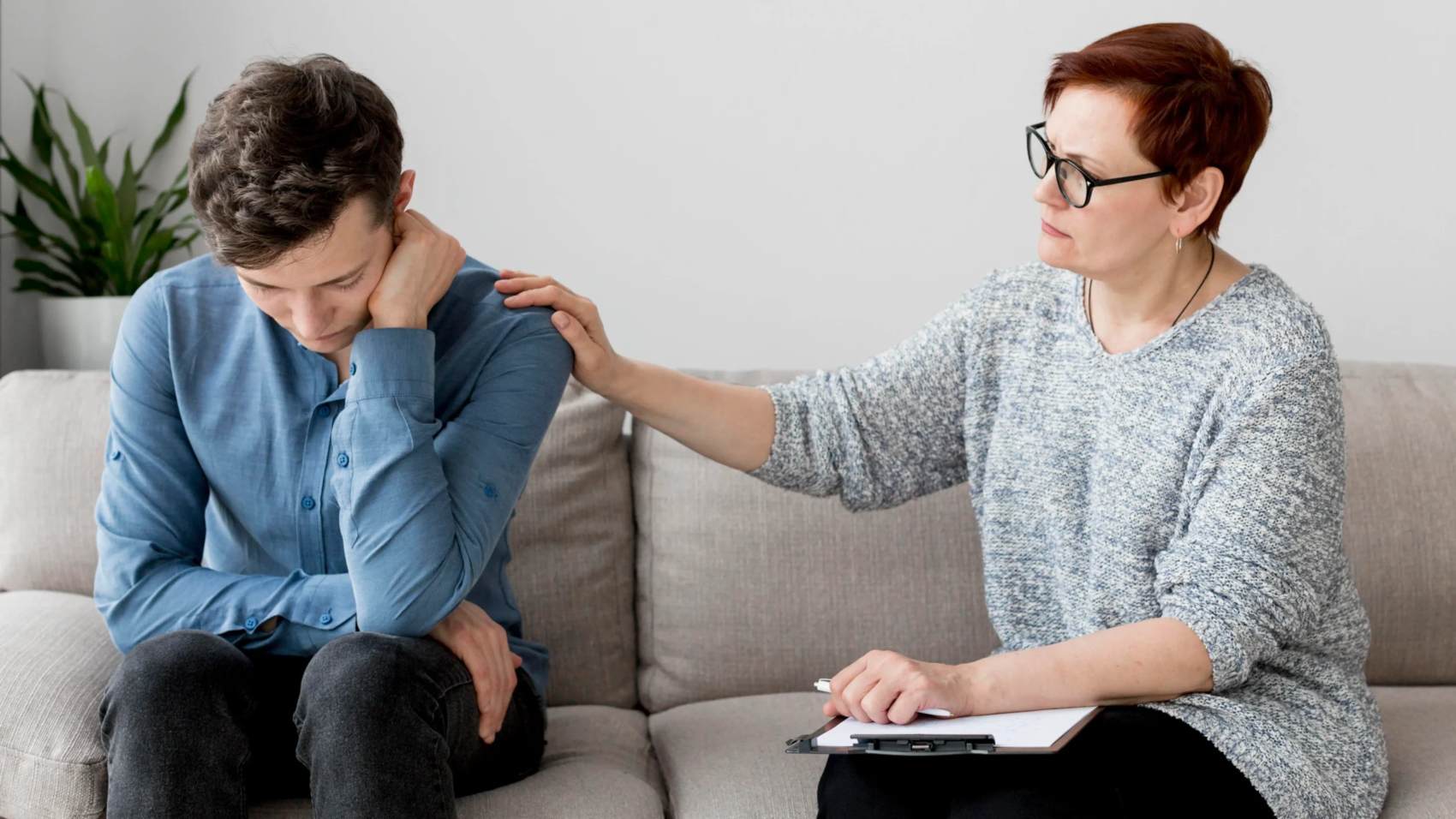
If attacks keep returning, or you’ve started avoiding places, people, or things you used to enjoy, don’t wait it out. Panic disorder responds very well to treatment, and the earlier you start, the easier recovery tends to be. Effective panic attack treatment usually includes:
- Cognitive Behavioural Therapy (CBT), which helps you change the thought patterns that feed panic and slowly face the sensations you fear.
- Medication, if needed, prescribed and monitored by a qualified psychiatrist.
- Practical guidance on sleep, stress, and daily routines.
Nobody’s story is identical, so the best panic attack treatment is always tailored to the person. You don’t have to figure it out alone.
Tired of living in fear of the next attack?
Book a private, judgement-free consultation with Dr Vatsal Suchak Clinic and take the first step toward feeling like yourself again. [https://drvatsalsuchak.com/contact/]
About Dr Vatsal Suchak Clinic
Dr Vatsal Suchak Clinic offers warm, confidential care for people dealing with anxiety, panic attacks, stress, and other mental health concerns. The approach is simple: listen first, understand your story, and then build a plan that fits your life. If panic is affecting your sleep, work, or relationships, the clinic is here to help you recover at a pace that feels right.
Frequently Asked Questions
1. What are the most common panic attack symptoms?
A racing heart, chest tightness, shortness of breath, sweating, trembling, dizziness, and an overwhelming feeling of fear. They vary from person to person.
2. What are the main panic attack causes?
Genetics, ongoing stress, past trauma, caffeine, alcohol, poor sleep, and certain medical conditions. Usually it’s a mix, not one single trigger.
3. How to stop a panic attack quickly?
Name what’s happening, breathe out slowly, try the 5-4-3-2-1 grounding method, and let the wave pass without fighting it.
4. How long does panic attack treatment take?
It depends on the person. Many notice relief within a few weeks of starting therapy, while fuller recovery can take a few months.
5. Can panic attacks go away for good?
Yes, for many people. With the right support, attacks often reduce sharply or stop, and the fear around them fades.
6. When should I see a doctor?
If attacks keep happening, you fear the next one constantly, or you’re avoiding daily activities. Go to emergency care right away if you have severe or unusual chest pain.