
Personality Test
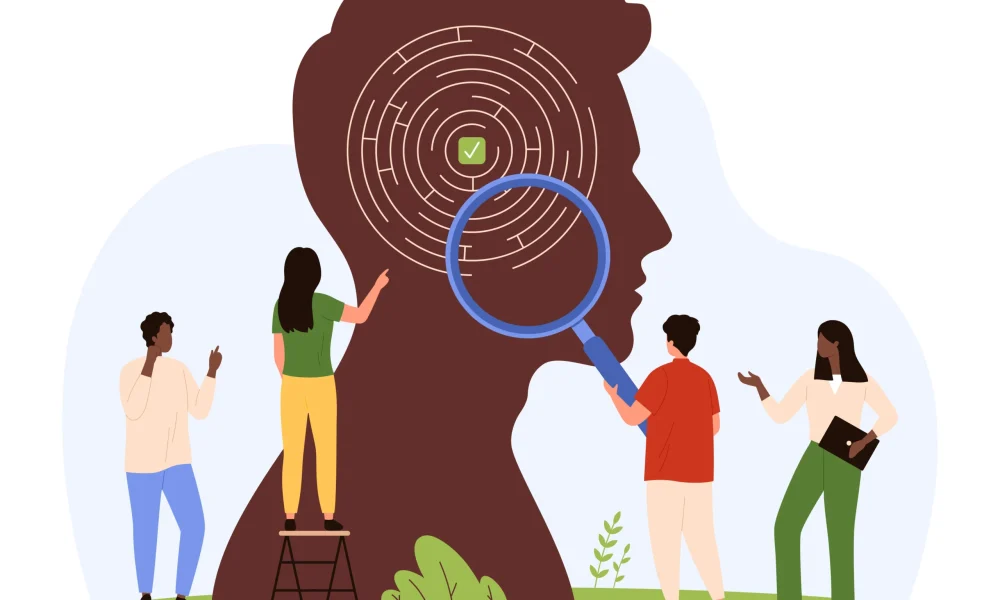
At some point, almost everyone wonders why do I react like this? or Why does something feel right for others but not for me?
These questions are more common than we think. And honestly, most people just ignore them and move on.
But if you actually pause and look into it, a personality test can give you some surprisingly useful answers.
It’s not complicated. It’s not something you need to “prepare” for either. A proper personality assessment test simply helps you understand how you naturally think and behave.
If you’re in Kalyan and feeling a bit unsure about your direction, this can be a good starting point.
What a Personality Test Really Shows
A lot of people assume a personality test is about putting you into a category. That’s not really how it works.
It’s more about patterns.
The way you make decisions.
How you react under pressure.
What kind of environment suits you.
Even small things like whether you prefer structure or flexibility start making more sense.
A good personality assessment test doesn’t try to change you. It just helps you notice things you may not have paid attention to before.
Why People Are Taking It More Seriously Now
Things have changed a bit in the last few years.
Earlier, most decisions were based on what others suggested, family, friends, or just what seemed “safe.”
Now, more people in Kalyan are trying to understand themselves first.
That’s one of the reasons personality testing is becoming more common.
Some want clarity before choosing a career.
Some are trying to improve relationships.
And some are just tired of feeling stuck.
It’s not always about solving a big problem. Sometimes it’s just about making a better sense of things.
Different Kinds of Personality Tests (Without the Complication)
Not all tests are the same, and that’s where people sometimes get confused.
Some personality assessment tests focus on traits like whether you’re more introverted or outgoing.
Others go a bit deeper and look at how you respond to situations, especially under stress.
There are also tests that connect your personality with career options, which can be helpful if you’re unsure about your next step.
You don’t really need to know all the technical details. What matters is taking the right test, with the right guidance.
Who Usually Finds This Helpful?
There’s no strict rule here.
But in real situations, people usually consider a personality test when something feels off or unclear.
For example:
- students who aren’t sure what to choose next
- professionals who feel stuck in their current role
- people dealing with stress or overthinking
- anyone trying to understand their own behavior better
If you’ve been feeling something similar, it might be worth looking into.
Why Doing It With a Professional Makes a Difference
Let’s be honest, most of us have tried random online tests at some point.
They’re quick, but they’re also very general.
A proper personality assessment test, especially when done with someone experienced like Dr Vatsal Suchak, feels different.
Not just because of the test itself, but because of what comes after.
You actually get an explanation. You understand what your results mean in your real life, not just in theory.
That part is usually what people find most helpful.
What the Process Feels Like
If you’re imagining something complicated, it’s really not.
It usually starts with a simple conversation, nothing too formal.
Then you take the personality test, which is just a set of questions. No trick questions, no pressure.
After that, your responses are analyzed, and you get a report.
But more importantly, you sit down and go through it with someone like Dr Vatsal Suchak, who helps you actually make sense of it.
For Students – It Clears a Lot of Confusion
Students often feel pressured to pick the “right” path, but it’s not always clear what that is.
A personality assessment test can help break that confusion a bit.
It shows what you’re naturally inclined towards, not what others expect from you.
That alone can make decision-making a lot less stressful.
For Working Professionals Who Feel Stuck
This is more common than people admit.
You’re working, things are okay on the outside, but something doesn’t feel right.
A personality test won’t magically fix everything, but it can help you understand why you feel that way.
Sometimes, even a small shift in direction makes a big difference.
It Also Helps in Everyday Relationships
Most conflicts aren’t really about big issues, they’re about misunderstandings.
Different people react differently. That’s normal.
A personality assessment test helps you notice your own patterns first.
Once that happens, dealing with others becomes a little easier.
A Few Things People Often Get Wrong
Some think these tests label you. They don’t.
Some feel the results are permanent. They’re not.
And a lot of people believe free online quizzes are enough which, honestly, they usually aren’t.
A proper personality test is more about insight than labels.
Why Taking It in Kalyan Helps
There’s something helpful about having local support.
You can actually talk things through, ask questions, and even come back later if needed.
With someone like Dr Vatsal Suchak, it feels less like a formal process and more like practical guidance.
What You Walk Away With
After a proper personality assessment test, most people don’t walk away with just a report.
They walk away with clarity.
About how they think.
How they make decisions.
What suits them and what doesn’t.
It’s not dramatic, but it’s useful in a very real way.
When Should You Consider It?
There’s no perfect timing.
But it tends to help more when:
you’re making important decisions
you feel unsure about your direction
you’re going through a transition
or you’re just curious to understand yourself better
Even that curiosity is a good enough reason.
One Simple Suggestion
If you decide to take a personality test, don’t overthink your answers.
Just go with what feels natural.
That’s where the real value comes from.
Final Note
Understanding yourself is not a one-time thing. It’s a process.
But taking a personality assessment test is a solid first step.
If you’re in Kalyan and have been thinking about it for a while, you could consider reaching out to Dr Vatsal Suchak and just starting the conversation.
Sometimes, that’s all it takes.
At some point, almost everyone wonders why do I react like this? or Why does something feel right for others but not for me?
These questions are more common than we think. And honestly, most people just ignore them and move on.
But if you actually pause and look into it, a personality test can give you some surprisingly useful answers.
It’s not complicated. It’s not something you need to “prepare” for either. A proper personality assessment test simply helps you understand how you naturally think and behave.
If you’re in Kalyan and feeling a bit unsure about your direction, this can be a good starting point.
What a Personality Test Really Shows
A lot of people assume a personality test is about putting you into a category. That’s not really how it works.
It’s more about patterns.
The way you make decisions.
How you react under pressure.
What kind of environment suits you.
Even small things like whether you prefer structure or flexibility start making more sense.
A good personality assessment test doesn’t try to change you. It just helps you notice things you may not have paid attention to before.
Why People Are Taking It More Seriously Now
Things have changed a bit in the last few years.
Earlier, most decisions were based on what others suggested, family, friends, or just what seemed “safe.”
Now, more people in Kalyan are trying to understand themselves first.
That’s one of the reasons personality testing is becoming more common.
Some want clarity before choosing a career.
Some are trying to improve relationships.
And some are just tired of feeling stuck.
It’s not always about solving a big problem. Sometimes it’s just about making a better sense of things.
Different Kinds of Personality Tests (Without the Complication)
Not all tests are the same, and that’s where people sometimes get confused.
Some personality assessment tests focus on traits like whether you’re more introverted or outgoing.
Others go a bit deeper and look at how you respond to situations, especially under stress.
There are also tests that connect your personality with career options, which can be helpful if you’re unsure about your next step.
You don’t really need to know all the technical details. What matters is taking the right test, with the right guidance.
Who Usually Finds This Helpful?
There’s no strict rule here.
But in real situations, people usually consider a personality test when something feels off or unclear.
For example:
students who aren’t sure what to choose next
professionals who feel stuck in their current role
people dealing with stress or overthinking
anyone trying to understand their own behavior better
If you’ve been feeling something similar, it might be worth looking into.
Why Doing It With a Professional Makes a Difference
Let’s be honest, most of us have tried random online tests at some point.
They’re quick, but they’re also very general.
A proper personality assessment test, especially when done with someone experienced like Dr Vatsal Suchak, feels different.
Not just because of the test itself, but because of what comes after.
You actually get an explanation. You understand what your results mean in your real life, not just in theory.
That part is usually what people find most helpful.
What the Process Feels Like
If you’re imagining something complicated, it’s really not.
It usually starts with a simple conversation, nothing too formal.
Then you take the personality test, which is just a set of questions. No trick questions, no pressure.
After that, your responses are analyzed, and you get a report.
But more importantly, you sit down and go through it with someone like Dr Vatsal Suchak, who helps you actually make sense of it.
For Students – It Clears a Lot of Confusion
Students often feel pressured to pick the “right” path, but it’s not always clear what that is.
A personality assessment test can help break that confusion a bit.
It shows what you’re naturally inclined towards, not what others expect from you.
That alone can make decision-making a lot less stressful.
For Working Professionals Who Feel Stuck
This is more common than people admit.
You’re working, things are okay on the outside, but something doesn’t feel right.
A personality test won’t magically fix everything, but it can help you understand why you feel that way.
Sometimes, even a small shift in direction makes a big difference.
It Also Helps in Everyday Relationships
Most conflicts aren’t really about big issues, they’re about misunderstandings.
Different people react differently. That’s normal.
A personality assessment test helps you notice your own patterns first.
Once that happens, dealing with others becomes a little easier.
A Few Things People Often Get Wrong
Some think these tests label you. They don’t.
Some feel the results are permanent. They’re not.
And a lot of people believe free online quizzes are enough which, honestly, they usually aren’t.
A proper personality test is more about insight than labels.
Why Taking It in Kalyan Helps
There’s something helpful about having local support.
You can actually talk things through, ask questions, and even come back later if needed.
With someone like Dr Vatsal Suchak, it feels less like a formal process and more like practical guidance.
What You Walk Away With
After a proper personality assessment test, most people don’t walk away with just a report.
They walk away with clarity.
About how they think.
How they make decisions.
What suits them and what doesn’t.
It’s not dramatic, but it’s useful in a very real way.
When Should You Consider It?
There’s no perfect timing.
But it tends to help more when:
you’re making important decisions
you feel unsure about your direction
you’re going through a transition
or you’re just curious to understand yourself better
Even that curiosity is a good enough reason.
One Simple Suggestion
If you decide to take a personality test, don’t overthink your answers.
Just go with what feels natural.
That’s where the real value comes from.
Final Note
Understanding yourself is not a one-time thing. It’s a process.
But taking a personality assessment test is a solid first step.
If you’re in Kalyan and have been thinking about it for a while, you could consider reaching out to Dr Vatsal Suchak and just starting the conversation.
Sometimes, that’s all it takes.
FAQs
What is a personality test in simple terms?
A personality test is a set of questions that helps you understand how you think, react, and behave in different situations. It’s more about self-awareness than judging you.
Is a personality assessment test really accurate?
It can be quite accurate when done properly. A professional personality assessment test is based on psychological research, so the insights are usually reliable especially when explained by an expert.
How long does a personality test take?
Most personality tests don’t take too long. Depending on the type, it can take anywhere between 30 minutes to about an hour.
Can students take a personality test?
Yes, and it actually helps a lot. A personality assessment test can guide students in understanding their strengths and choosing a career path that suits them better.
Are online personality tests useful?
They can give a basic idea, but they’re often too general. A proper personality test done under guidance gives deeper and more useful insights.
When is the best time to take a personality test?
There’s no fixed time. But it’s especially helpful during career decisions, transitions, or when you feel unsure about your direction.
FAQs
A personality test is a set of questions that helps you understand how you think, react, and behave in different situations. It’s more about self-awareness than judging you.
It can be quite accurate when done properly. A professional personality assessment test is based on psychological research, so the insights are usually reliable especially when explained by an expert.
Most personality tests don’t take too long. Depending on the type, it can take anywhere between 30 minutes to about an hour.
Yes, and it actually helps a lot. A personality assessment test can guide students in understanding their strengths and choosing a career path that suits them better.
They can give a basic idea, but they’re often too general. A proper personality test done under guidance gives deeper and more useful insights.
There’s no fixed time. But it’s especially helpful during career decisions, transitions, or when you feel unsure about your direction.