
Psychosexual Problems
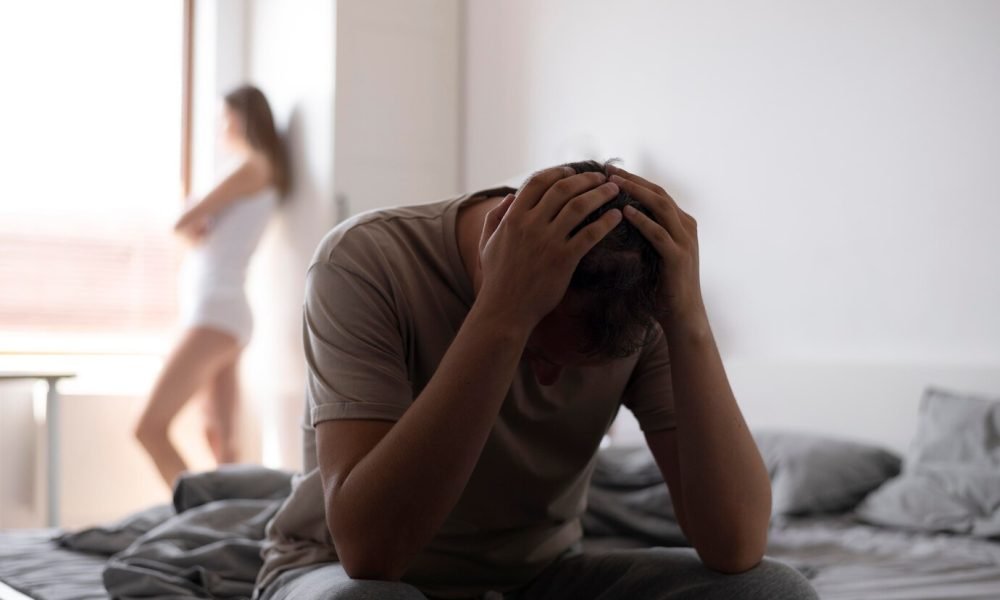
What Are Psychosexual Problems?
Psychosexual problems refer to difficulties related to sexual thoughts, emotions, behaviours, or physical responses that affect a person’s sexual health and overall well-being. These challenges often arise from a mix of psychological, emotional, relational, or biological factors. They can impact sexual desire, arousal, performance, and satisfaction, and may occur in individuals of any age or gender. In many cases, professional assessment and treatment are needed for proper diagnosis and recovery.
Hypoactive Sexual Desire Dysfunction (HSDD) – In Males and Females
HSDD involves a persistent lack of sexual desire or absence of sexual fantasies, which leads to personal distress or relationship difficulties. Both men and women can develop HSDD due to reasons such as hormonal changes, stress, unresolved relationship issues, medical conditions, or psychological factors.
Male Erectile Dysfunction (ED)
Erectile Dysfunction (ED) is the ongoing difficulty in achieving or maintaining an erection firm enough for satisfactory sexual activity. ED may arise from physical conditions such as diabetes, heart disease, high blood pressure, or hormonal imbalances. It can also be linked to anxiety, depression, medication side effects, and unhealthy lifestyle habits.
Female Sexual Arousal Disorders
This condition involves challenges in achieving or maintaining sexual arousal during sexual activity, resulting in reduced pleasure or satisfaction. Female arousal difficulties may stem from hormonal fluctuations, stress, emotional concerns, relationship discord, medical issues, or past negative experiences.
Anorgasmia
Anorgasmia is the inability to reach orgasm despite adequate stimulation. It can affect both men and women and is often linked to psychological factors such as anxiety, trauma, or body-image concerns. Certain medications, underlying health issues, or relationship problems may also contribute.
Ejaculatory Dysfunctions – Premature Ejaculation (PE)
Premature Ejaculation occurs when ejaculation happens sooner than desired—either shortly after penetration or even before it begins—causing frustration or relationship strain. PE may be influenced by psychological factors, performance anxiety, relationship conflicts, or increased sensitivity of the ejaculatory reflex.
Ejaculatory Dysfunctions – Delayed Ejaculation (DE)
Delayed Ejaculation refers to a significant delay or inability to ejaculate despite adequate stimulation and desire. Causes may include anxiety, depression, certain medications, medical conditions, or reduced sexual arousal.
Sexual Pain–Penetration Disorder
Also known as dyspareunia, this condition involves ongoing pain during sexual intercourse that leads to distress or avoidance of intimacy. The causes may be physical (such as infections, vaginal dryness, endometriosis) or psychological (such as fear, trauma, or anxiety). Proper assessment is essential to identify the underlying reason and begin effective treatment.
FAQs
Psychosexual problems are issues related to sexual thoughts, emotions, behaviours, or physical responses that affect sexual desire, arousal, or performance. They may be caused by psychological, emotional, medical, or relationship factors and often require professional evaluation.
Yes. Psychosexual problems can affect individuals of any gender and age. Conditions like low sexual desire, arousal difficulties, orgasm problems, or sexual pain disorders are common in both men and women.
HSDD may be caused by hormonal changes, stress, mental health concerns, relationship issues, long-term illness, medication side effects, or past trauma. In many cases, a combination of physical and psychological factors is involved.
HSDD may be caused by hormonal changes, stress, mental health concerns, relationship issues, long-term illness, medication side effects, or past trauma. In many cases, a combination of physical and psychological factors is involved.